Videos Hacker News keeps recommending, with honest titles.
Invite only: friends here see what each other watch.
Classics
Why it's here
HN repeatedly recommends it as the best layperson overview of debt, credit and economic cycles.
Ray Dalio's 30-minute animated video explains how the economy works through credit, debt, interest rates, and short- and long-term cycles. It is based on his template for understanding the economy.
How Credit and Debt Drive Economic Cycles
Principles by Ray Dalio · Explainer
HN repeatedly recommends it as the best layperson overview of debt, credit and economic cycles.
Why it's here
HN's default recommendation for understanding the Fourier transform intuitively; many say it was the explanation that made it click.
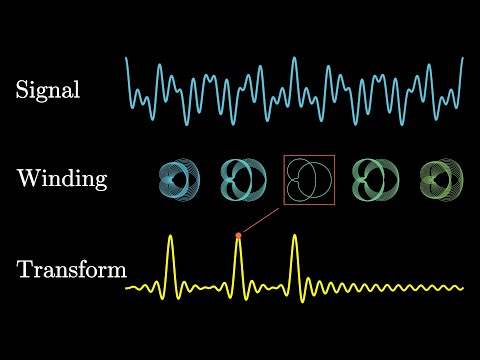
3Blue1Brown's animated visual introduction to the Fourier Transform, showing how a signal breaks into frequency components.
What Is the Fourier Transform? A Visual Introduction
3Blue1Brown · Explainer
HN's default recommendation for understanding the Fourier transform intuitively; many say it was the explanation that made it click.

Why it's here
Held up as a marvel of pedagogy and the best explanation of differentials, recommended again and again.
A 1937 GM-produced film explaining how the automobile differential lets wheels turn at different speeds around a corner. It uses clear animations and cutaway demonstrations to build the idea from first principles.
How a Car Differential Works
US Auto Industry · Explainer
Held up as a marvel of pedagogy and the best explanation of differentials, recommended again and again.

Why it's here
HN treats it as the standard short summary of how power and political incentives work, applied to governments, companies and workplaces.
CGP Grey's animated adaptation of The Dictator's Handbook, explaining how rulers stay in power by keeping a small group of key supporters happy rather than ruling fairly. It lays out selectorate theory and how resources shape regimes.
How Rulers Stay in Power: Selectorate Theory
CGP Grey · Explainer
HN treats it as the standard short summary of how power and political incentives work, applied to governments, companies and workplaces.
Why it's here
HN treats it as the standard first stop for learning neural networks, praised for making the math intuitive.
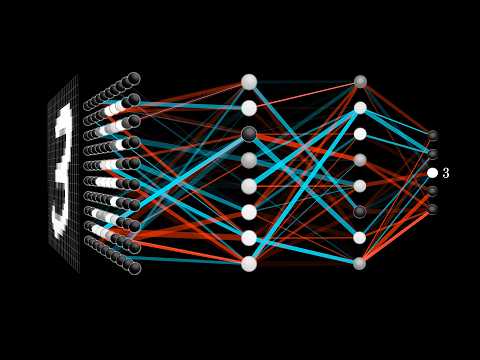
3Blue1Brown's first chapter on deep learning explains what neurons and layers are and the math underlying a basic neural network, using handwritten digit recognition with visual animations.
What Is a Neural Network? A Visual Introduction
3Blue1Brown · Explainer
HN treats it as the standard first stop for learning neural networks, praised for making the math intuitive.

Why it's here
HN's default recommendation for a friendly, thorough introduction to heat pumps and why they are so efficient.
Technology Connections explains how heat pumps work as reversed air conditioners and why they can deliver several times the heat of resistive heating per unit of energy. It also tackles common myths such as poor cold-weather performance.
Heat Pumps: How They Work and Why They Use Less Energy
Technology Connections · Explainer
HN's default recommendation for a friendly, thorough introduction to heat pumps and why they are so efficient.

Why it's here
HN repeatedly calls it one of the best math and graphics explainers on YouTube, praised for bridging game dev and math.
Freya Holmer explains how Bezier curves work, from the helper-line construction to their uses in animation, text rendering and shapes. It uses visuals from her Unity Shapes plugin and was a SoME1 contest winner.
How Bézier Curves Work and Where They Are Used
Freya Holmér · Explainer
HN repeatedly calls it one of the best math and graphics explainers on YouTube, praised for bridging game dev and math.

Why it's here
HN calls it the gold-standard debunking of audiophile myths and the stair-step misconception, and recommends it as a primer on digital audio.
Monty Montgomery of Xiph.org gives real-time demonstrations of sampling, quantization, bit depth and dither using real audio equipment, including both digital analysis tools and vintage analog bench gear. It shows that sampled audio is not stair-stepped and corrects common misconceptions about digital audio.
Digital Audio: Sampling, Quantization, Bit Depth and Dither
FL Studio · Explainer
HN calls it the gold-standard debunking of audiophile myths and the stair-step misconception, and recommends it as a primer on digital audio.

Why it's here
Held up as a legendary deep dive into game internals, explained lucidly and with humor, and a gateway to the channel.
Pannenkoek2012's commentated tool-assisted Super Mario 64 run collecting the Watch for Rolling Rocks star with half an A press, using parallel universes and QPU movement. The video is marked outdated in favor of a newer version.
SM64 Rolling Rocks Star with 0.5 A Presses (Outdated)
pannenkoek2012 · Explainer
Held up as a legendary deep dive into game internals, explained lucidly and with humor, and a gateway to the channel.

Why it's here
It is the go-to recommendation for anyone who wants to genuinely understand Bezier curves and splines, and commenters repeatedly call it one of the best programming-related educational videos.
Freya Holmer's 74-minute video essay on splines, covering Bezier curves, B-splines, derivatives and the different levels of continuity (C0, C1, C2), built with custom animation tools. She notes she did not cover non-uniform splines.
Splines: Bézier Curves, B-Splines and Continuity
Freya Holmér · Explainer
It is the go-to recommendation for anyone who wants to genuinely understand Bezier curves and splines, and commenters repeatedly call it one of the best programming-related educational videos.
Why it's here
HN repeatedly recommends it as the definitive, mind-changing explanation of dishwasher use, even though it runs over 30 minutes.
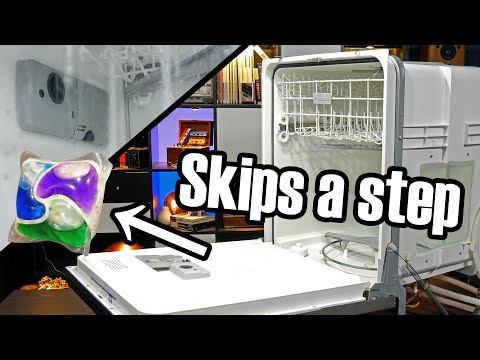
Technology Connections explains how dishwashers work, why detergent pods underperform powder, and how to use the pre-wash and main-wash compartments. It argues you don't need to pre-rinse dishes.
How Dishwashers Work: Powder, Pods and the Pre-Wash Cycle
Technology Connections · Explainer
HN repeatedly recommends it as the definitive, mind-changing explanation of dishwasher use, even though it runs over 30 minutes.

Why it's here
HN has recommended it for a decade as the standard explainer on automation and unemployment, though skeptics later cite it as an example of overconfident predictions.
CGP Grey's video "Humans Need Not Apply" argues that automation will make a large part of the workforce economically obsolete, much as engines did for horses. It surveys robots and software replacing both physical and mental labor.
Automation and the Displacement of Human Labor
CGP Grey · Explainer
HN has recommended it for a decade as the standard explainer on automation and unemployment, though skeptics later cite it as an example of overconfident predictions.
Why it's here
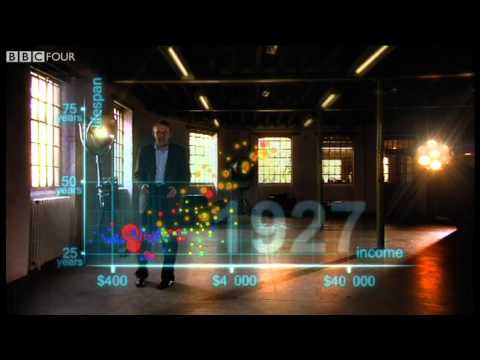
HN commenters send it as a short antidote to cynicism, showing long-term global progress and the shrinking gap between rich and poor countries.
Hans Rosling uses augmented-reality animation to show 200 countries over 200 years in four minutes, built from 120,000 data points. It tracks life expectancy and income to show the world's development.
Hans Rosling: 200 Countries, 200 Years, 4 Minutes
BBC · Explainer
HN commenters send it as a short antidote to cynicism, showing long-term global progress and the shrinking gap between rich and poor countries.

Why it's here
It is the go-to funny, accessible explanation of why you should never implement datetime handling yourself, linked in nearly every timezone thread.
Tom Scott explains for Computerphile why handling time and timezones in code is so hard, walking through a simple web app that computes how long ago something happened. It covers the quirks of timezones and calendars and ends in an exasperated rant.
Why Timezones and Calendars Are Hard to Handle in Code
Computerphile · Explainer
It is the go-to funny, accessible explanation of why you should never implement datetime handling yourself, linked in nearly every timezone thread.

Why it's here
HN treats it as the go-to layperson-friendly argument against e-voting and links it in nearly every voting-technology thread.
Tom Scott explains why electronic voting is a bad idea. Elections must be trusted by everyone and attacks on software scale in ways attacks on paper do not, so open source or blockchain fixes do not solve it.
Electronic Voting: Software Attacks Scale Beyond Paper Elections
Tom Scott · Explainer
HN treats it as the go-to layperson-friendly argument against e-voting and links it in nearly every voting-technology thread.

Why it's here
The go-to recommended video for newcomers wanting a clear, visual explanation of how Bitcoin and blockchains work.
3Blue1Brown explains the math and mechanics behind Bitcoin visually: ledgers, digital signatures, proof of work and the blockchain, building up a decentralized payment system from first principles.
How Bitcoin Works: Ledgers, Signatures, and Proof of Work
3Blue1Brown · Explainer
The go-to recommended video for newcomers wanting a clear, visual explanation of how Bitcoin and blockchains work.

Why it's here
HN commenters repeatedly recommend it in longevity and aging threads as a concise, fun case for fighting aging.
CGP Grey narrates an animated adaptation of Nick Bostrom's Fable of the Dragon-Tyrant. The story uses a dragon that demands a daily toll of lives as a metaphor for aging and society's acceptance of death.
The Dragon-Tyrant: Aging and Society's Acceptance of Death
CGP Grey · Explainer
HN commenters repeatedly recommend it in longevity and aging threads as a concise, fun case for fighting aging.

Why it's here
HN treats it as the go-to visual introduction to transformers, and many say it finally made attention and embeddings click.
3Blue1Brown's visual explanation of how transformers and GPT-style language models work, tracing data through tokens, embeddings and attention.
How Transformers and GPT-Style Language Models Work
3Blue1Brown · Explainer
HN treats it as the go-to visual introduction to transformers, and many say it finally made attention and embeddings click.

Why it's here
HN commenters recommend it as a clear framework for placing the current US and world situation within historical debt and empire cycles.
An animated 44-minute summary of Ray Dalio's book Principles for Dealing with the Changing World Order. It lays out the Big Cycle of rising and declining nations, covering debt cycles, internal conflict, and shifts in global power over the past 500 years.
Ray Dalio's Big Cycle of Debt, Conflict, and Global Power
Principles by Ray Dalio · Explainer
HN commenters recommend it as a clear framework for placing the current US and world situation within historical debt and empire cycles.

Why it's here
The default link in copyright and takedown threads, recommended as an excellent, comprehensive explanation of why automated enforcement and the law work as they do.
Tom Scott's long explainer on YouTube's copyright system, Content ID and the DMCA. He argues the platform's system is a workaround for a broader copyright system that does not fit the modern world.
YouTube Copyright, Content ID, and the Limits of the DMCA
Tom Scott · Explainer
The default link in copyright and takedown threads, recommended as an excellent, comprehensive explanation of why automated enforcement and the law work as they do.

Why it's here
HN's go-to short explainer for the City of London versus London, cited in many finance and UK threads.
CGP Grey explains that the City of London is a tiny, separate entity with its own governance, history and privileges, distinct from the city called London. He covers its financial role and how it is run.
The City of London: A Separate Entity Within London
CGP Grey · Explainer
HN's go-to short explainer for the City of London versus London, cited in many finance and UK threads.

Why it's here
HN returns to it again and again as a favorite example of elegant, chip-free mechanical engineering that beats modern toasters.
Technology Connections takes apart a 1940s Sunbeam Radiant Control toaster. It senses the toast's own browning and lowers and raises it automatically using purely mechanical parts and no electronics.
How a 1940s Sunbeam Toaster Uses Mechanical Browning Control
Technology Connections · Explainer
HN returns to it again and again as a favorite example of elegant, chip-free mechanical engineering that beats modern toasters.
Why it's here
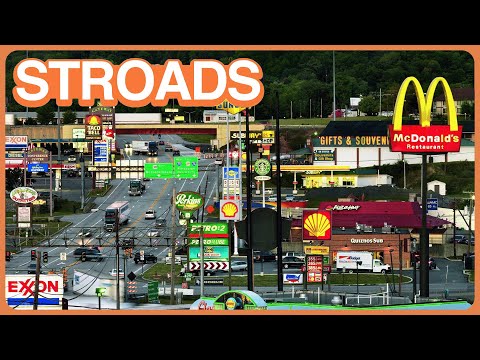
HN links it constantly as the standard introduction to stroads and Strong Towns-style arguments about car-centric design.
Not Just Bikes introduces the "stroad", a street-road hybrid common in the US and Canada that fails at both jobs. He contrasts it with Dutch design, where each road has a single purpose, and covers cost, danger and ugliness.
Stroads: Why Street-Road Hybrids Are Dangerous and Expensive
Not Just Bikes · Explainer
HN links it constantly as the standard introduction to stroads and Strong Towns-style arguments about car-centric design.

Why it's here
HN commenters post it in threads about purpose, ambition, burnout and career anxiety as a reframing that life is a dance, not a march toward eventual happiness.
A two-minute animation of an Alan Watts talk arguing that life is like music: it is meant to be danced to in the moment, not rushed toward a final goal. It is a short, accessible take on living in the present.
Alan Watts: Life Is Like Music
seandulac · Explainer
HN commenters post it in threads about purpose, ambition, burnout and career anxiety as a reframing that life is a dance, not a march toward eventual happiness.

Why it's here
HN strongly recommends it as the clearest, best-illustrated explanation of the solar gravitational lens idea, and links it whenever exoplanet imaging comes up.
Explains the proposed NASA JPL plan to use the Sun as a gravitational lens, sending solar sail craft to its focal region to image an exoplanet's surface. It covers the distances involved, how imaging with the Sun would work and the mission design.
How the Solar Gravitational Lens Could Image Exoplanets
Launch Pad Astronomy · Explainer
HN strongly recommends it as the clearest, best-illustrated explanation of the solar gravitational lens idea, and links it whenever exoplanet imaging comes up.

Why it's here
HN recommends it as a funny, accurate and easy primer on Keynesian versus Austrian views of the business cycle.
A rap battle in which John Maynard Keynes and F. A. Hayek debate the causes of boom and bust, stimulus, and bailouts. It was produced by Econstories to teach the two schools of thought.
Keynes vs. Hayek: A Rap Battle About Boom and Bust
Radical Discourse · Explainer
HN recommends it as a funny, accurate and easy primer on Keynesian versus Austrian views of the business cycle.

Why it's here
It is a go-to recommendation whenever cans, good design or mass-produced objects come up, and many also recommend the whole channel.
Bill Hammack of Engineer Guy explains the engineering behind the aluminum beverage can: why it is cylindrical, how it is manufactured, why it narrows at the top, the double seam, and how the pull tab works.
How Aluminum Beverage Cans Are Designed and Made
engineerguy · Explainer
It is a go-to recommendation whenever cans, good design or mass-produced objects come up, and many also recommend the whole channel.

Why it's here
HN keeps pointing to it as the clearest explanation of how low-density infrastructure is financed and why it is unsustainable.
Not Just Bikes explains the Strong Towns argument that car-dependent American suburbs cost more to maintain than they generate in taxes. It describes the growth Ponzi scheme that props up municipal finances.
Why Car-Dependent American Cities Are Financially Unsustainable
Not Just Bikes · Explainer
HN keeps pointing to it as the clearest explanation of how low-density infrastructure is financed and why it is unsustainable.

Why it's here
HN commenters recommend it, with its follow-up, as an exposé of fake likes and bot activity, and as a warning before spending on Facebook ads.
Veritasium's Derek Muller argues that Facebook's business model works against pages and creators, because it charges them to reach the audiences they built. He explains how filtering and paid promotion undermine the value of likes.
The Problem With Facebook's Page Reach and Paid Promotion
2veritasium · Explainer
HN commenters recommend it, with its follow-up, as an exposé of fake likes and bot activity, and as a warning before spending on Facebook ads.
Why it's here
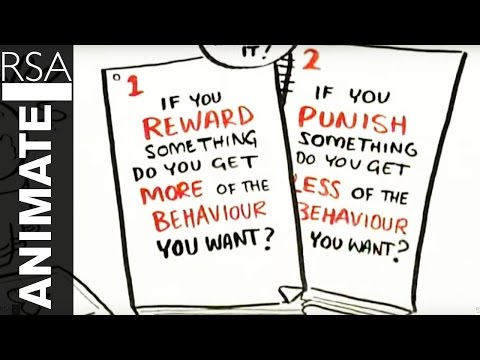
HN uses it in discussions of pay, management, and motivation as the standard short explanation of autonomy, mastery and purpose.
An RSA Animate whiteboard adaptation of Dan Pink's talk on what motivates people at work. It argues that beyond simple tasks, autonomy, mastery and purpose drive performance more than money.
RSA ANIMATE: Drive: The surprising truth about what motivates us
Royal Society of Arts · Explainer
HN uses it in discussions of pay, management, and motivation as the standard short explanation of autonomy, mastery and purpose.

Why it's here
Linked in threads about meritocracy, careers and startups as a reminder that luck shapes who ends up on top.
Veritasium examines the role of luck in success, with simulations and examples showing how small advantages and chance can compound. It argues that top outcomes are disproportionately luck-driven while still crediting effort.
How Luck Shapes Success, According to Veritasium
Veritasium · Explainer
Linked in threads about meritocracy, careers and startups as a reminder that luck shapes who ends up on top.

Why it's here
A staple recommendation in new year and goal-setting threads, with many commenters adopting yearly themes.
CGP Grey argues for picking a theme for the year or season instead of setting goals or new year's resolutions. He explains how a theme gives direction without a pass/fail target.
Why Themes Can Work Better Than Goals
CGP Grey · Explainer
A staple recommendation in new year and goal-setting threads, with many commenters adopting yearly themes.

Why it's here
Recommended again and again in traffic-safety threads as an eye-opener on road design versus posted limits and driver behavior.
Not Just Bikes explains how North American speed limits are set and why posted limits matter far less than street design. It argues that drivers follow the road's cues, so safe speeds have to be built into the street.
Why Street Design Matters More Than Posted Speed Limits
Not Just Bikes · Explainer
Recommended again and again in traffic-safety threads as an eye-opener on road design versus posted limits and driver behavior.

Why it's here
HN repeatedly calls it a fantastic explanation that made FFT click, with some rewatching it periodically.
Reducible's visual walkthrough of the Fast Fourier Transform, motivated by polynomial multiplication. It shows how the FFT's key ideas can be discovered by asking the right questions.
How the Fast Fourier Transform Multiplies Polynomials
Reducible · Explainer
HN repeatedly calls it a fantastic explanation that made FFT click, with some rewatching it periodically.

Why it's here
HN's go-to explainer for why FPTP leads to a two-party system, linked in countless voting-reform and US politics threads.
CGP Grey explains first-past-the-post voting and why it pushes elections toward two dominant parties. It is the first in his series on electoral systems.
Why First-Past-the-Post Produces Two-Party Systems
CGP Grey · Explainer
HN's go-to explainer for why FPTP leads to a two-party system, linked in countless voting-reform and US politics threads.
Why it's here
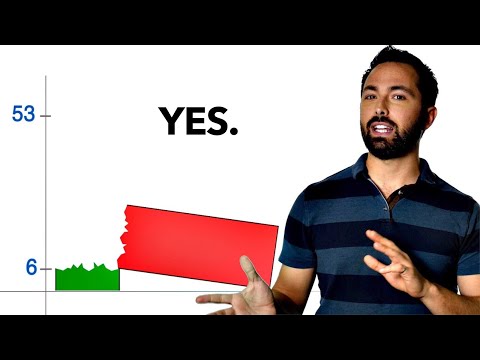
HN commenters link it whenever a shaky study or the p<0.05 threshold comes up, as a short primer on false positives in science.
Veritasium explains why a large share of published research findings may be false, covering p-values, p-hacking, publication bias and low replication rates. It draws on John Ioannidis's well-known paper and describes reforms such as preregistration.
Why Published Research Findings Can Be False
Veritasium · Explainer
HN commenters link it whenever a shaky study or the p<0.05 threshold comes up, as a short primer on false positives in science.

Why it's here
Commenters repeatedly point to it whenever EUV, ASML or chip manufacturing comes up, as a clear and astonishing explanation of one of the hardest engineering problems in chipmaking.
Asianometry explains the EUV light source inside ASML's lithography machines, where lasers hit falling tin droplets twice to produce 13.5 nm light. It walks through the engineering of the droplet generator, the pre-pulse and main laser, and the plasma that results.
How ASML's EUV Light Source Produces 13.5 nm Light
Asianometry · Explainer
Commenters repeatedly point to it whenever EUV, ASML or chip manufacturing comes up, as a clear and astonishing explanation of one of the hardest engineering problems in chipmaking.

Why it's here
HN cites it constantly in threads on noise, EVs and car-free cities as the source that cars, not cities, are loud.
Not Just Bikes argues that urban noise comes mostly from motor vehicles, drawing on the book Curbing Traffic and a visit to Delft, a city that takes noise seriously.
Cars, Not Cities, Are the Main Source of Urban Noise
Not Just Bikes · Explainer
HN cites it constantly in threads on noise, EVs and car-free cities as the source that cars, not cities, are loud.

Why it's here
HN commenters point to it as a clear, short explanation of one-directional disease spread and the core argument of Guns, Germs, and Steel.
CGP Grey explains why European diseases devastated the Americas while few deadly diseases traveled the other way. He ties it to livestock domestication, dense cities, and the ideas of Guns, Germs and Steel.
Why European Diseases Devastated the Americas
CGP Grey · Explainer
HN commenters point to it as a clear, short explanation of one-directional disease spread and the core argument of Guns, Germs, and Steel.

Why it's here
HN links it whenever someone claims cold or snow rules out cycling, as the concise rebuttal that infrastructure and maintenance decide it.
Not Just Bikes argues that winter is not what stops Canadians cycling, using Oulu, Finland as proof that safe, well-maintained cycling infrastructure enables year-round biking despite harsh weather.
How Oulu Enables Year-Round Cycling in Winter
Not Just Bikes · Explainer
HN links it whenever someone claims cold or snow rules out cycling, as the concise rebuttal that infrastructure and maintenance decide it.

Why it's here
HN uses it as the standard short answer to whether car-dominated cities can become bike-friendly, since the Dutch had to fight for it.
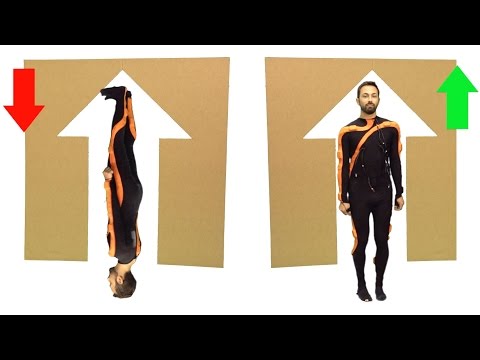
A short BicycleDutch video on how the Netherlands got its cycling infrastructure, including the 1970s protests and the shift away from car-centric planning. The channel later published an updated version.
How the Dutch Got Their Cycle Paths
BicycleDutch · Explainer
HN uses it as the standard short answer to whether car-dominated cities can become bike-friendly, since the Dutch had to fight for it.
Why it's here
HN recommends it as one of the clearest layman explanations of Bell's theorem.
Veritasium explains quantum entanglement and spooky action at a distance, walking through Bell's inequality and the experiments that rule out hidden variables, in under ten minutes.
Quantum Entanglement, Bell's Inequality and Hidden Variables
Veritasium · Explainer
HN recommends it as one of the clearest layman explanations of Bell's theorem.

Why it's here
HN recommends it as the standard short answer whenever someone confuses Britain, the UK and England.
CGP Grey's quick, witty explainer on the differences between the United Kingdom, Great Britain and England, and the countries that make up the UK.
The UK, Great Britain and England Explained
CGP Grey · Explainer
HN recommends it as the standard short answer whenever someone confuses Britain, the UK and England.

Why it's here
HN recommends it constantly in work-from-home, burnout and procrastination threads as practical advice for separating work from life at home.
CGP Grey argues that your brain treats a whole home as one room during lockdown, blurring work, rest and leisure. He recommends creating separate spaces and routines for different activities to stay balanced.
How to Separate Work and Home During Lockdown
CGP Grey · Explainer
HN recommends it constantly in work-from-home, burnout and procrastination threads as practical advice for separating work from life at home.

Why it's here
HN reaches for it in every identity theft and data breach thread as the clearest, most enjoyable short explainer of why SSNs make bad identifiers.
CGP Grey explains the history of the US Social Security card and number, and why they became a de facto national ID despite never being meant for it. He also covers why America resists a proper identity card.
Why Social Security Numbers Became America's De Facto ID
CGP Grey · Explainer
HN reaches for it in every identity theft and data breach thread as the clearest, most enjoyable short explainer of why SSNs make bad identifiers.

Why it's here
HN's default link for anyone asking whether heat pumps work and why they're efficient, thanks to the presenter's clear and enthusiastic delivery.
Technology Connections explains why heat pumps matter right now, covering their efficiency, how they hold up in cold weather and the energy savings over burning fuel. It follows his earlier explainer on how they work.
Why Heat Pumps Matter and How They Save Energy
Technology Connections · Explainer
HN's default link for anyone asking whether heat pumps work and why they're efficient, thanks to the presenter's clear and enthusiastic delivery.

Why it's here
It is the go-to beginner explanation of Diffie-Hellman, recommended because the paint analogy makes the idea click without prior cryptography knowledge.
A short explainer on the history and mechanics of public key cryptography and the Diffie-Hellman key exchange. It uses a mixing-paint-colors analogy to show how two parties can agree on a shared secret in public.
How Diffie-Hellman Key Exchange Works
Art of the Problem · Explainer
It is the go-to beginner explanation of Diffie-Hellman, recommended because the paint analogy makes the idea click without prior cryptography knowledge.

Why it's here
HN repeatedly recommends it as the clearest explanation of why Chan's fight scenes beat fast-cut Hollywood action.
Every Frame a Painting analyzes how Jackie Chan stages action comedy, with nine principles such as starting from a disadvantage, using the environment, clear shots, and keeping action and reaction in the same frame.
How Jackie Chan Stages Action Comedy
Every Frame a Painting · Explainer
HN repeatedly recommends it as the clearest explanation of why Chan's fight scenes beat fast-cut Hollywood action.